London will always be one of my favourite places for street photography, with the Barbican near the top of my must-visit locations.
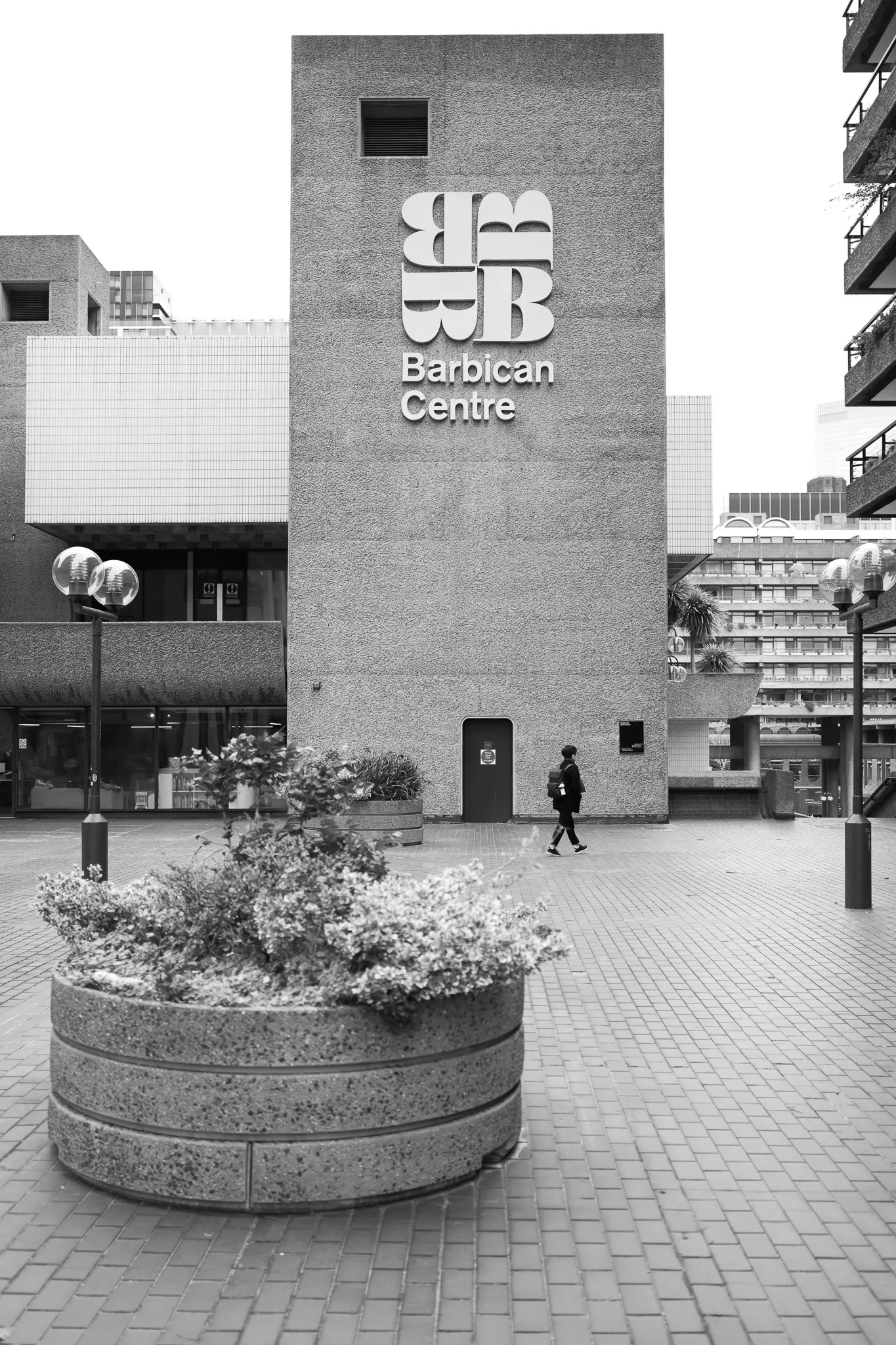
For those unfamiliar with the Barbican, it is a well-known icon of the London landscape and a shining beacon for the Brutalism architecture movement.
Although somewhere I have visited many times, it was only on my most recent trip to London that I took the time to get to know this structure a little better. As with most things, this process involved walking around with a camera, my apparent trademark half-smile on my face as I surveyed my surroundings in picture-taking mode.
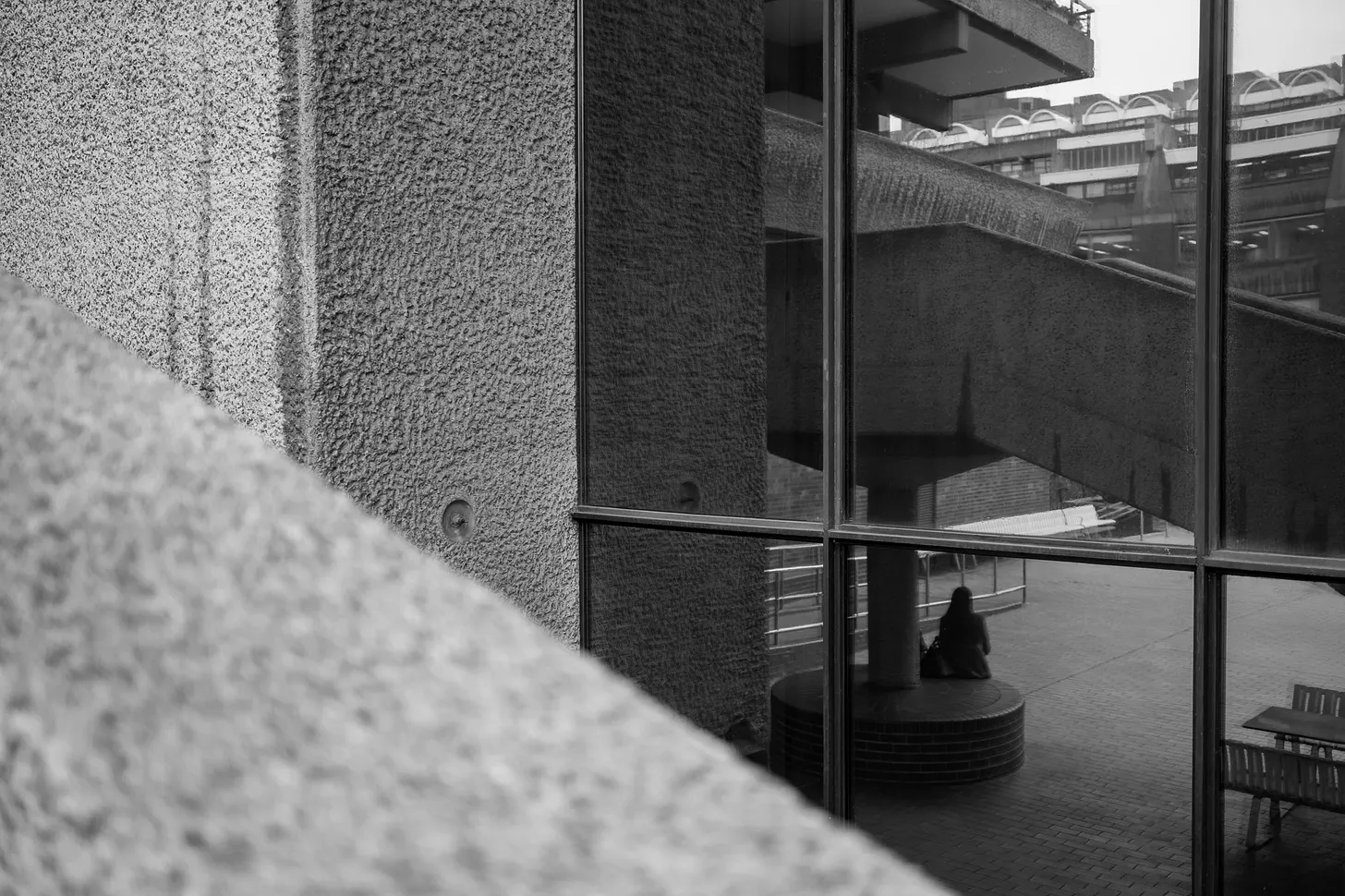
What about this place, a seemingly mismatched and disjointed collection of almost impertinent structures, draws me back? A massive tower block over here, a theatre, coffee shop and utilitarian conservatory filled with plant life over there. On the surface, it did not seem obvious; however, after diving deeper, the answer soon became apparent.

First, some historical context, built on a site almost entirely flattened by the Blitz of World War 2, the Barbican's architects, Chamberlain, Powell and Bon, proposed what would become one of London's most ambitious and unique architectural achievements: a city within a city, raised above street level. Originally intended to be a lavish structure adorned with marble, mosaic tiles and polished concrete, the budgetary restrictions of the time curtailed this. The result? The hammered raw concrete finish we see today. This led to the Barbican's more "Brutalistic" appearance, an effect not necessarily intended by the architects.
What about the origins of Brutalism? Originating from Swiss Modernist Le Corbusier's description of the material used for his housing development in Marseille - 'beton brut', meaning raw concrete- the term was popularised by the British critic Reyner Banham. His playfully worded variation of the French word conveyed the overall dismay that this particular style of architecture evoked in Britain.
While researching its history and learning the meaning behind the Brutalism movement, I realised what it is about the Barbican that I find appealing.
In a word? Truth.
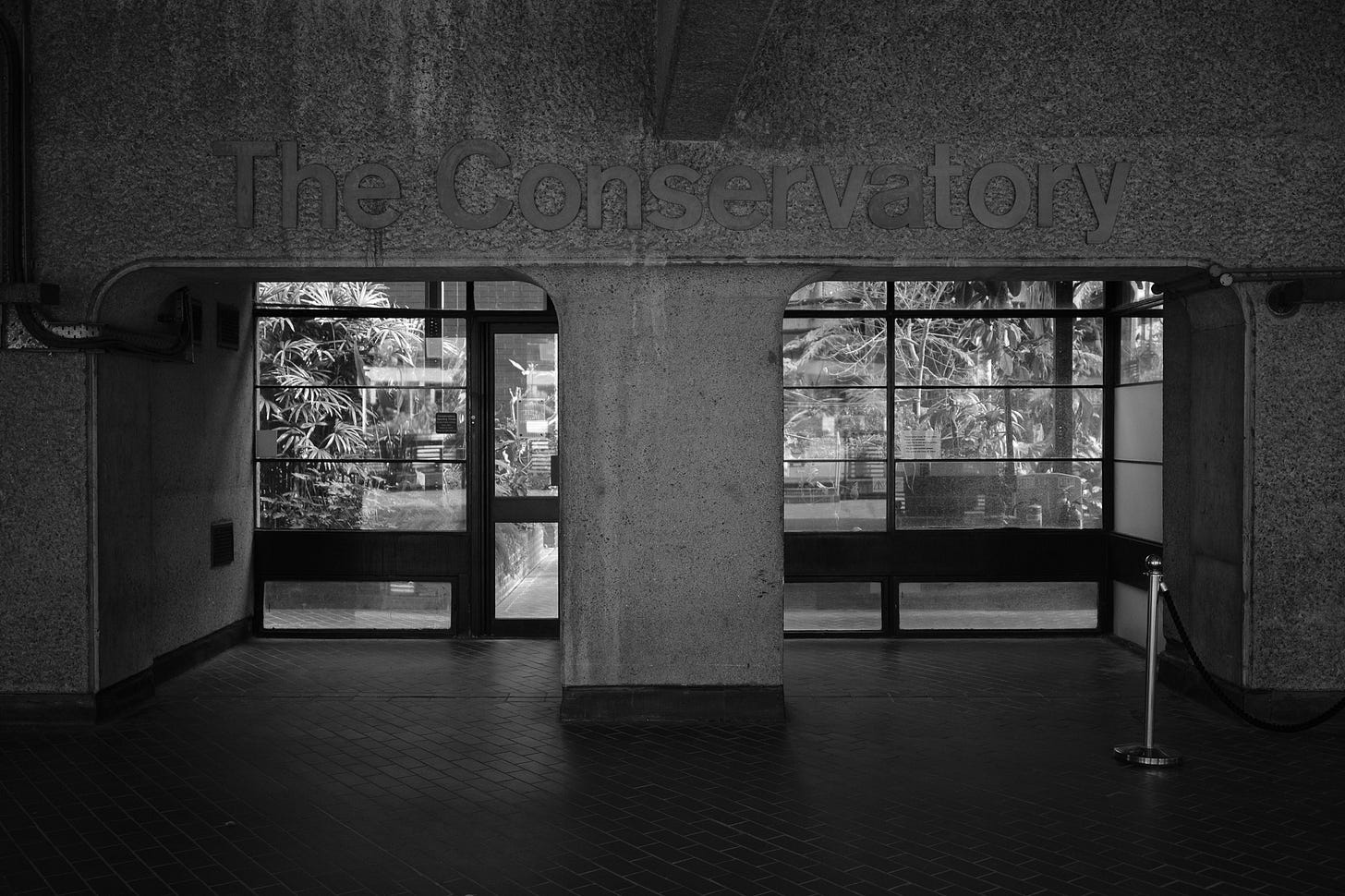
The core idea behind Brutalism is one of honesty. The concept suggests that a building should not conceal the materials used in its construction or its assembled method. Brutalistic design replaces grandiose concepts of aesthetics with an unembellished reality. Brutalism's followers see beauty in this honesty. For some, it represents more than a design issue but a moral or philosophical one.
The disclosure of a building's "truth" may not be well-received by everyone, just as we may not appreciate another individual's brutal honesty towards us. The Barbican stands in plain sight as a blunt demonstration of this. To stand and observe this structure in its unapologetically raw beauty is to receive, without judgement, the lesson of being strong enough to be true to who we are.
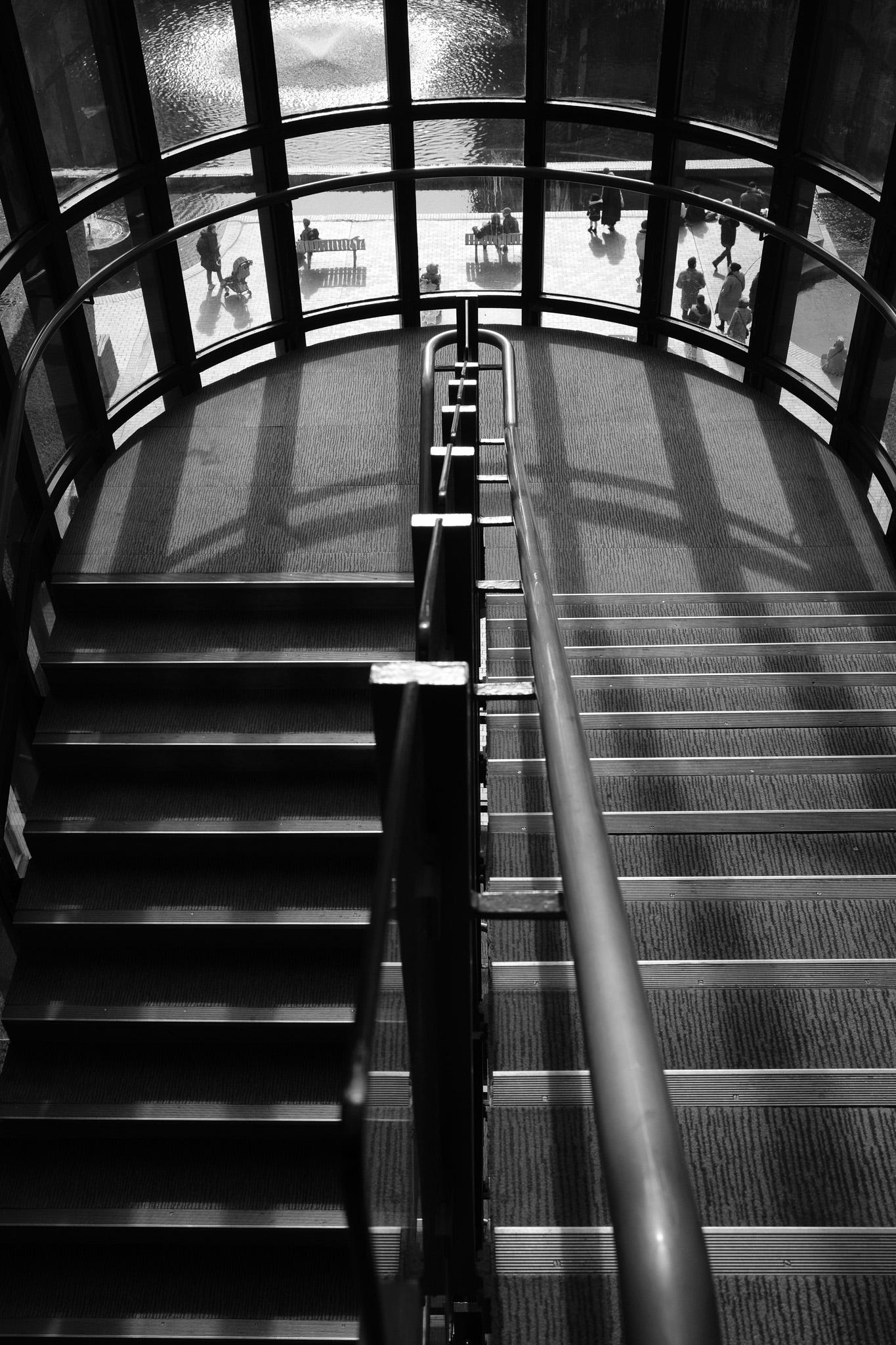
With its sculptures sculpture garden and its dyed green lake, come rain or shine, the Barbican sheds its truthful light. So if you ever find yourself in London longing for a dose of Brutal honesty, you know where to find it.
Thanks for reading A Moving Picture.! Subscribe for free to receive new posts and support my work.